Ronnie Ortiz-Magro is looking back at the choices that helped make Jersey Shore a headline-making reality hit. In a new interview, the MTV star said most of the cast’s behavior was natural, but he also admitted that he sometimes understood when a decision would become a major storyline and pull viewers in.
The comments came during an interview with Daily Loud, where Ronnie was asked how much of the show was authentic. He described the split as “80/20”: most of the cast’s behavior happened organically, while some moments involved people knowing they had to “add” something that would make viewers react.
What Ronnie said about Miami cheating drama
When the conversation turned to cheating incidents in Miami, Ronnie joked that the question could refer to “quite a few” moments. He acknowledged that a particular choice was a “poor choice,” then said he understood it would draw a strong reaction. In his telling, he knew viewers would ask how he could do something like that—and keep watching.
That is a pointed admission about his awareness of the audience, but it is not the same as saying every scene was staged or that producers instructed him to cheat. Ronnie did not identify one specific incident in the clip, and he did not provide production records or ratings figures to support a broader claim about how the show was made.
Was Jersey Shore real or played up?
Ronnie’s “80/20” estimate is a casual description of how he remembers the cast’s approach, not a verified breakdown of the series. His answer suggests a mix: unscripted personalities and real-life decisions on one side, and some awareness that television thrives on memorable moments on the other. The distinction matters because a cast member anticipating a reaction does not, by itself, establish that a storyline was fabricated.
The original Jersey Shore followed its cast as they lived together and partied, with personal relationships often becoming part of the show’s central drama. The franchise later returned with Jersey Shore: Family Vacation, bringing familiar cast members back to television. Ronnie’s new comments offer a look at how he says he thought about the camera during the early Miami era, when his relationship conflicts were playing out in front of viewers.
His answer adds context, not a ratings confession
Ronnie’s comments are likely to reopen the old debate over reality TV authenticity, especially for fans who watched his relationship drama unfold. He is saying he sometimes recognized the potential payoff of a dramatic decision. That can shape how viewers interpret a moment, but it does not erase the consequences for the people involved or prove that audience numbers were his only motivation.
It is also worth separating his account from the show’s actual ratings performance. Ronnie did not cite a ratings report or say that producers measured a particular cheating storyline and asked him to repeat it. The clip is his retrospective description of his own thinking: he knew some actions could become major talking points and believed that reaction would keep audiences engaged.
For longtime viewers, that may be the most revealing part. The drama could feel spontaneous and still include moments when a cast member understood the entertainment value of a bad decision. Ronnie’s account does not settle exactly where every scene fell on that spectrum, but it puts his own awareness of the camera in sharper focus.
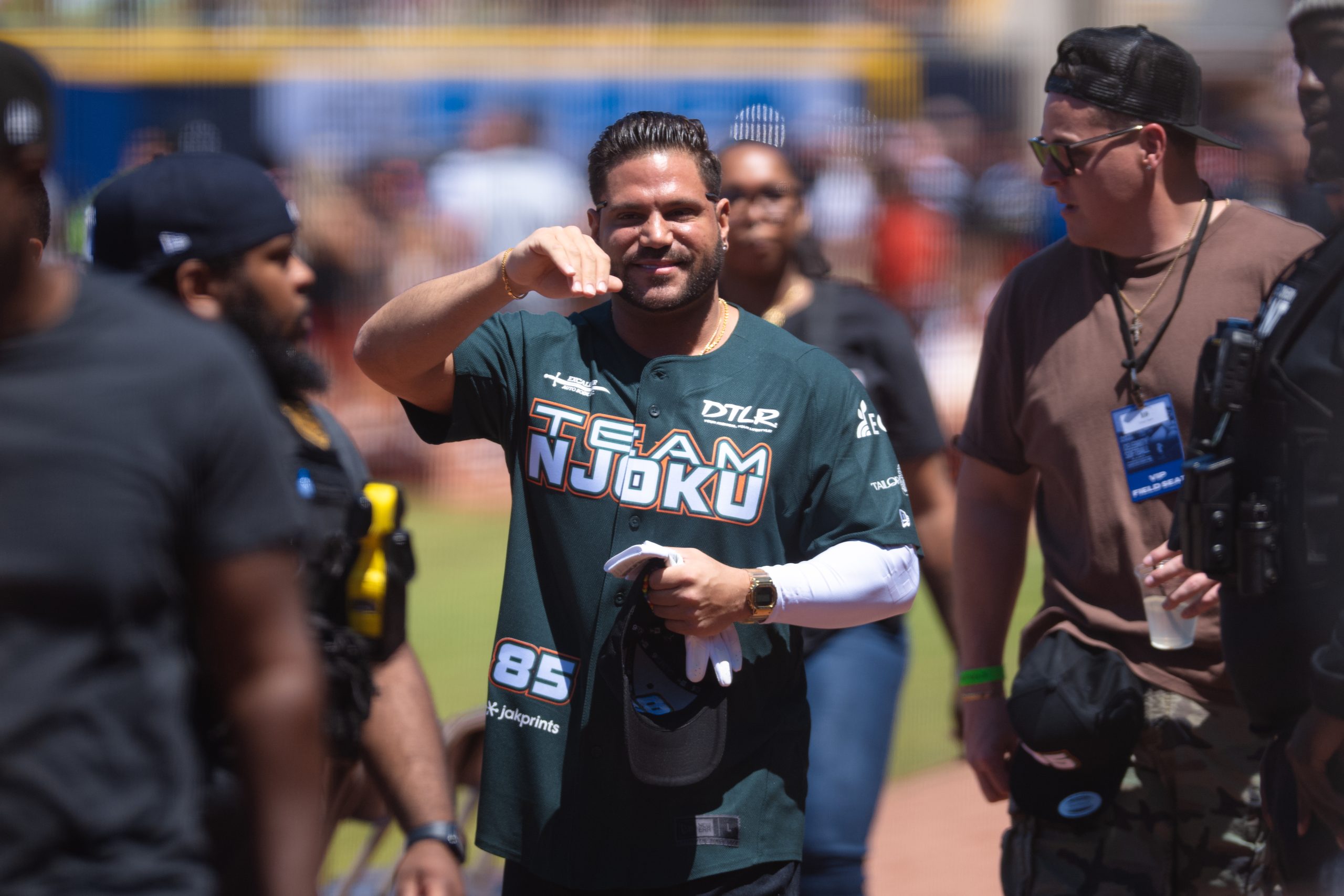
Featured image: Ronnie Ortiz-Magro at David Njoku’s celebrity softball game in 2024. Photo by Erik Drost via Wikimedia Commons, licensed under CC BY 2.0. Used without modification.